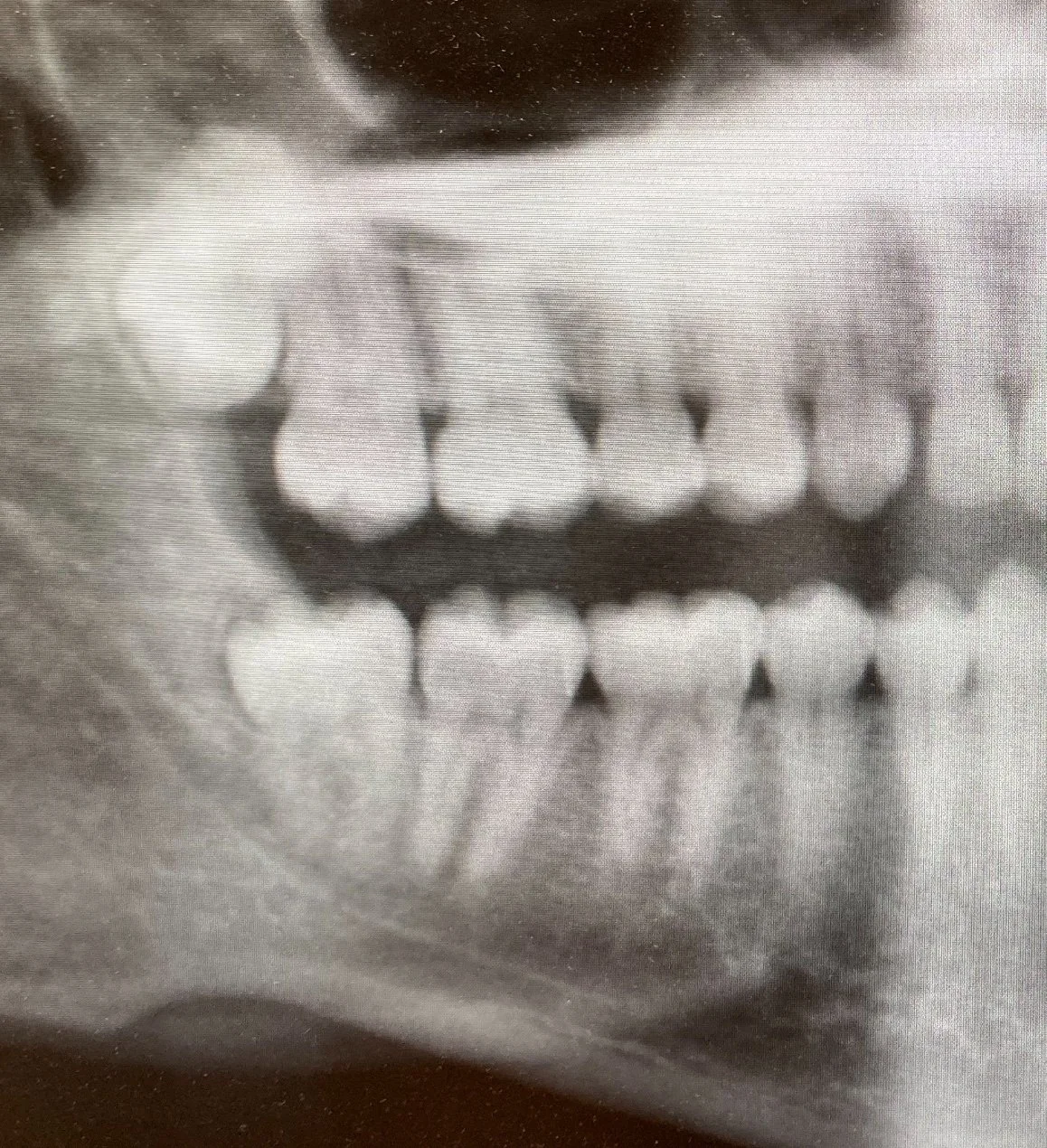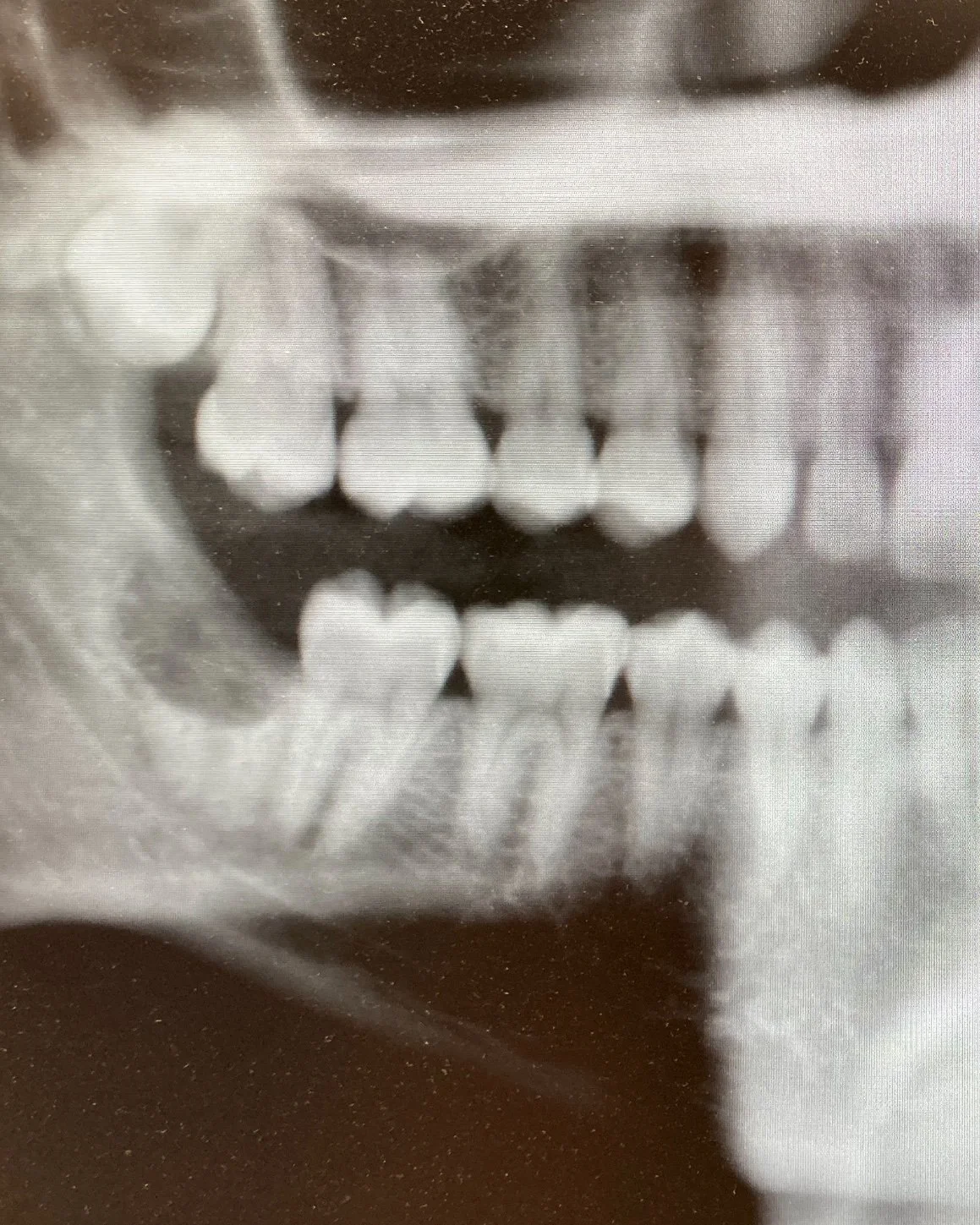
A coronectomy is a surgical procedure in which the root of the impacted tooth (the part of the tooth that is intimate with the nerve) is left undisturbed. There are increased risk factors for this treatment option, including higher incidence of post operative infection. Roots may migrate up through the gum tissue and need to be extracted at a later date, requiring a second surgery. This treatment option is usually reserved for patients with increased risk of nerve damage (E.g. Moderate or Severe compression).
Note: A planned coronectomy may be converted to an extraction perioperatively without a new consent form or discussion with the patient, this is usually due to mobility of the roots at the time of the surgical procedure.
Risk of nerve damage still remain even when a coronectomy is planned. No surgical procedure is risk free.